Learn the night
Learn the Night: The Quiet Science of Better Sleep
Around 45% of adults snore occasionally, and roughly 25% snore every night (American Academy of Sleep Medicine, 2023). Most people have never heard themselves, and fewer still know what their own baseline sounds like. This collection of guides answers the questions that come up after a bad night: what snoring actually is, why a single recording tells you almost nothing, and how consistent, private tracking on your iPhone can reveal patterns that a one-off sleep study cannot. Each article is self-contained, so you can start with the topic that brought you here or read them in order from first principles to practical habit changes.
Start here
Best Snoring Tracker Apps for iPhone in 2026 (No Wearable Required)
Your iPhone's microphone is a capable sleep sensor. Here is a head-to-head look at five apps worth considering in 2026, what each does well, and who each is actually built for.
Nightsong vs SnoreLab vs Sleep.ai: Which Snoring App Is Right for You in 2026
A head-to-head look at three iPhone snoring apps in 2026 -- what each does well, where each falls short, and which one fits how you actually want to track your nights.
How to Track Snoring and Breathing Privately on Your iPhone
You don't need a wearable or a cloud account to track your snoring. Your iPhone already has the mic and processing power to handle it on-device. Here's how the private approach works.
What to Look for in a Private, On-Device Snore Tracker
The real difference in any snore or sleep tracker is where your audio goes and what you have to give up to use it. Here is a short checklist to run before you install anything.
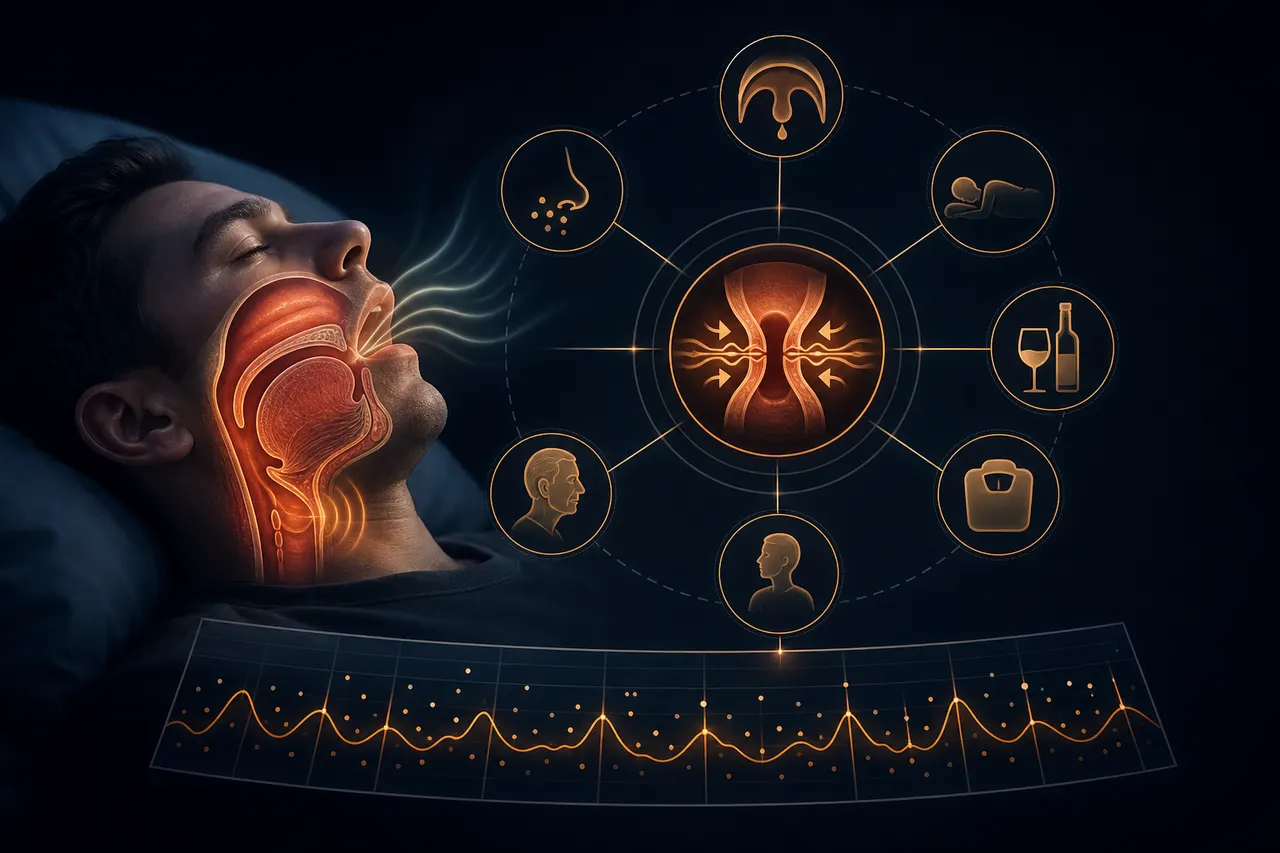
What Causes Snoring? The Real Physiology Behind It (and How to Track Which Cause Is Yours)
Snoring has seven main causes, most of which shift from night to night. Here is the physiology behind each one, and how to figure out which cause is actually yours.
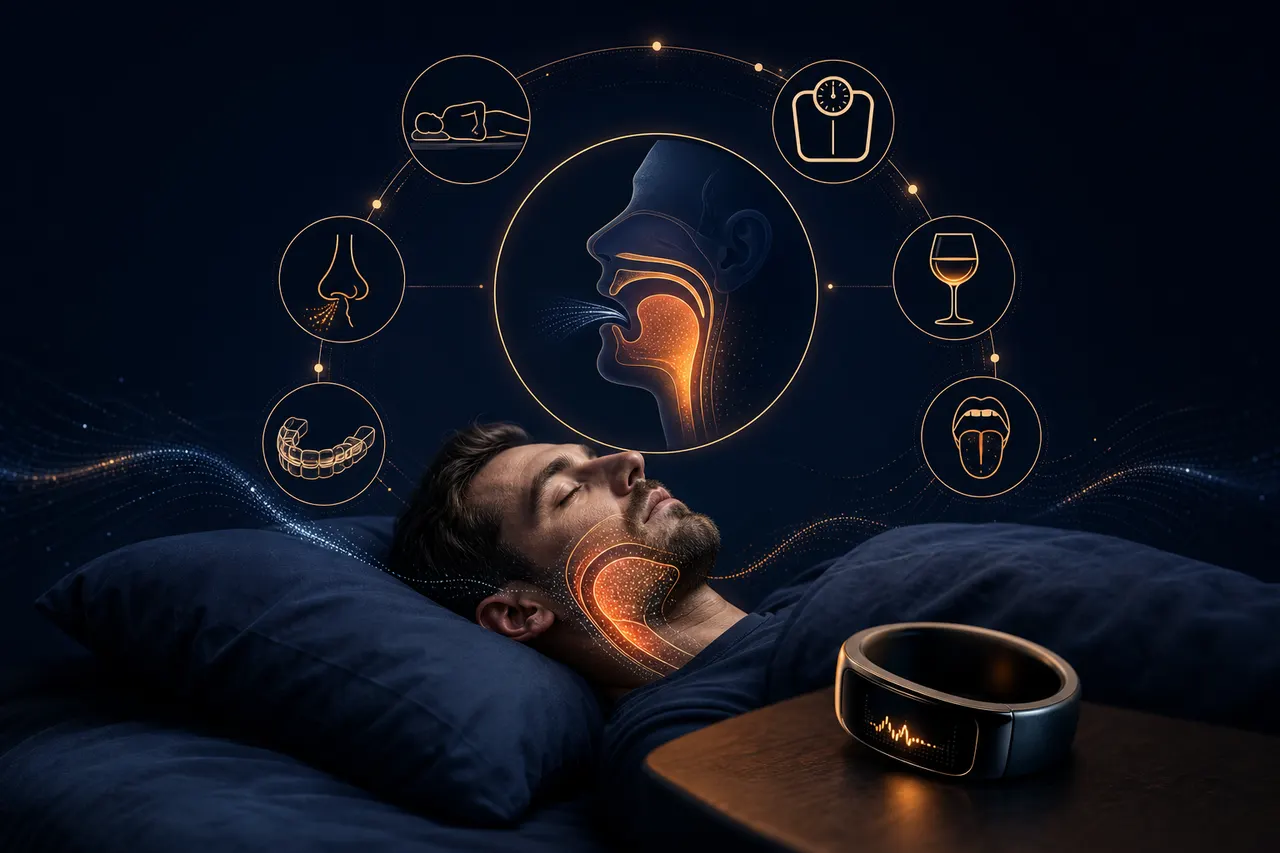
How to Stop Snoring: Evidence-Based Remedies and How to Track Your Progress
Snoring has identifiable causes, and several evidence-based approaches can meaningfully reduce it. Here is what works, when to see a doctor, and how to know whether what you are trying is actually having any effect.

What the Somnus Index measures
The 0 to 100 score Nightsong builds from your night: what goes into it, what it can honestly tell you, and how to read it against your own baseline.
A wind-down routine that actually works
The last hour decides more of the night than any gadget. Light, timing, temperature, and a repeatable sequence your body learns to trust.
What sleep tracking can and cannot tell you
Trackers estimate, trends inform, and single nights mislead. A calm guide to what the numbers are genuinely good for and where their authority ends.
Daytime habits that lead to quieter nights
The evening dials get the attention, but the durable wins are habits. Side-sleep training, daily nasal care, mouth and tongue exercises, and the slow dials worth knowing.

Steady breathing at night, and why it matters
A settled night has a rhythm you can hear. What makes night breathing steadier or rougher, why steadiness is a mark of rest, and how to give your nights a better shot at it.
What sleep quality actually means
Hours are the easy part to count. What a good night actually contains, why some 8 hour nights still feel thin, and how to judge your own sleep fairly.
How a phone can measure a night without sending it anywhere
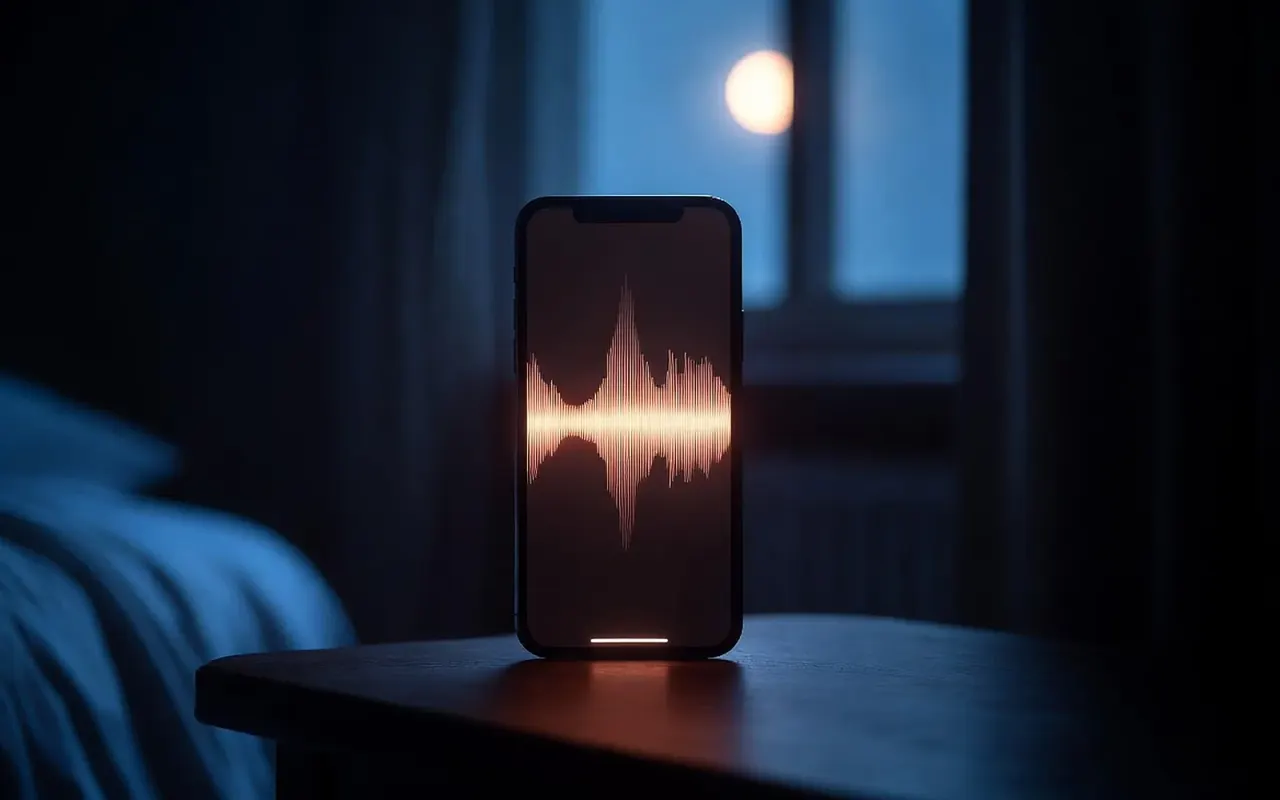
The chip that listens locally, the math that turns a night of sound into a few honest numbers, and why on-device changes what privacy means.
Evenings that lead to quieter nights
Position, alcohol, and congestion are the 3 big dials. What each one does, what actually helps, and how to test 1 change at a time against your own trend.

Your baseline: the number that actually means something
Your own normal, measured over weeks, is the only fair comparison you have. How a baseline forms, what it can tell you, and how to use one without obsessing.

How you breathe at night: nose, mouth, and position
The nose is engineering. What it does that the mouth cannot, why the mouth falls open anyway, and how the direction of gravity shapes a night.

Why one night is not the story
Nights vary, and they are supposed to. What moves them, what the first night anywhere new does to your sleep, and how to read a month instead of a moment.
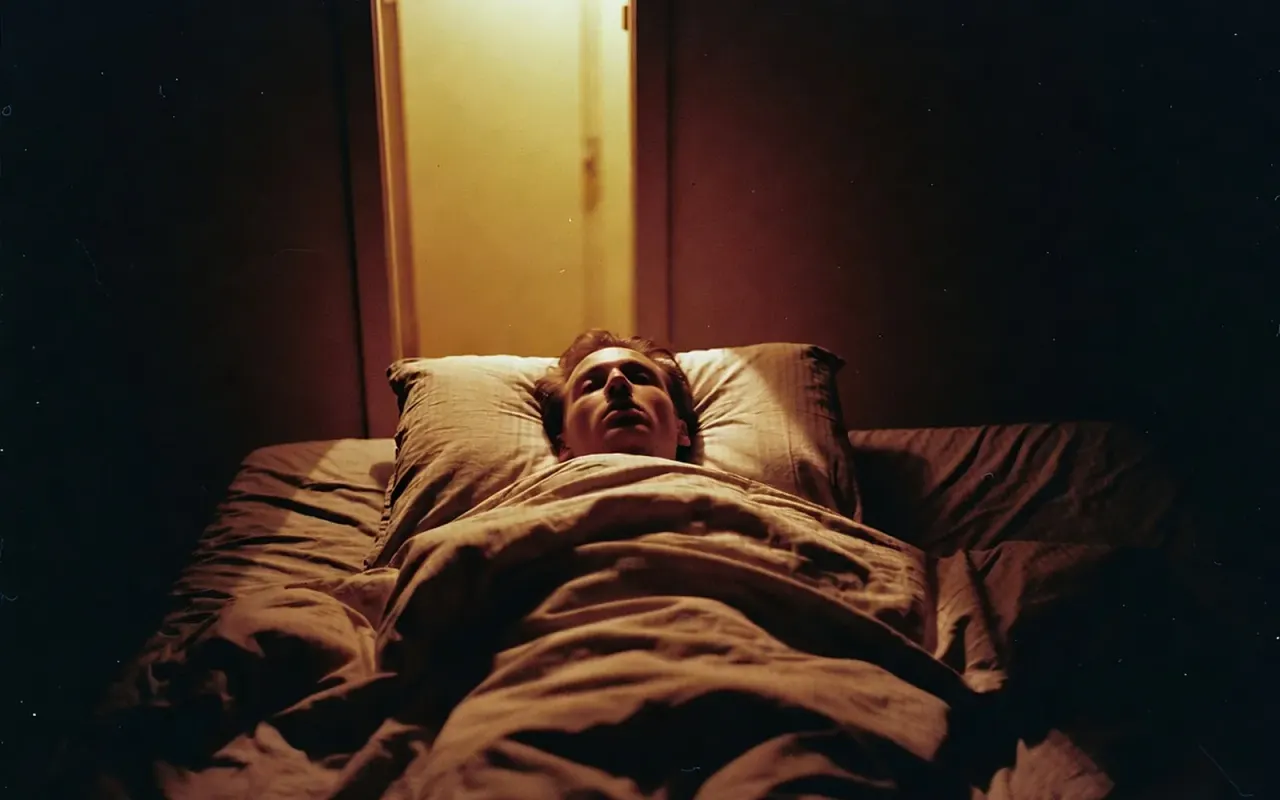
What snoring really is
The sound is tissue moving in moving air. Here is the physics of a snore, why it changes night to night, and why it is worth understanding calmly.
Common questions
- Does snoring mean I have sleep apnea?
- Not necessarily. Snoring is caused by airway vibration and can happen on its own, with no related condition. Nightsong is a wellness tool for seeing how your own snoring and breathing change over time against your baseline. It does not screen for or diagnose sleep apnea. If your snoring is loud or frequent, or a partner notices pauses in your breathing, that is a conversation for your doctor.
- How many nights of data do I need before the numbers mean something?
- A single night is a snapshot; a week begins to show a pattern. Most people find that seven to fourteen consistent recordings are enough to see how variables like alcohol, late meals, and sleep position shift their personal baseline.
- Can sleeping position affect how much I snore?
- Yes. Back sleeping tends to increase snoring frequency and volume because gravity pulls soft tissue toward the airway. Tracking position alongside sound levels lets you see the difference across your own nights rather than relying on a population average.
- Is on-device tracking as useful as a lab study?
- They answer different questions. A lab study captures one night in clinical detail; on-device tracking captures your real environment across many nights. Consistent home recording often reveals behavioral patterns, such as the effect of a late meal or a stressful day, that a single-night lab visit cannot.
- Why does Nightsong keep recordings on my phone only?
- Your bedroom audio is private. Nightsong records, analyzes, and scores your night entirely on your iPhone. The recording is never uploaded, there is no cloud copy of your audio, and you own your data.